Menu
Menu



Top Ranked Fencers
Epee
 Sera SONG
When and where did you begin this sport?
She began fencing at junior high school in Geumsan County, Republic of Korea.
Why this sport?
Her physical education teacher suggested the sport to her.
Learn more→ Gergely SIKLOSI
When and where did you begin this sport?
He began fencing at age seven. "I was doing it for fun until around 14 when I beat the Hungarian No. 1 at that time, and realised that this is serious, for real."
Why this sport?
"When I first tried [fencing], I felt like 'this is me'. Fencing is not only about physical or technical capabilities, it's also about mind games. It's not the fastest or the strongest who wins. It's the one who can put the whole cake together."
Learn more→Foil
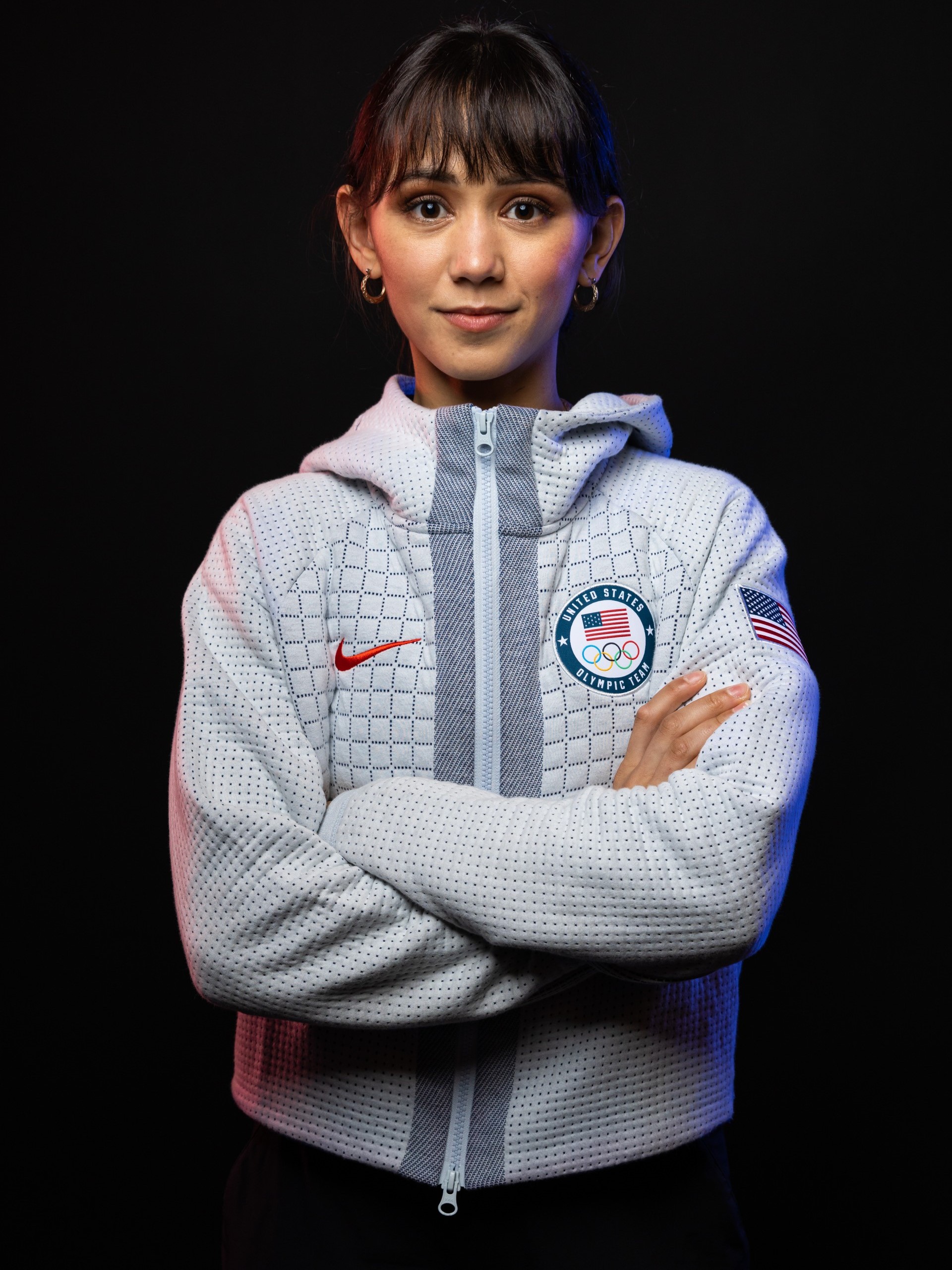 Lee KIEFER
When and where did you begin this sport?
She began fencing at age six after watching her father fence at a local competition. "My siblings and I thought the sport was strange and interesting-appearing, so my dad started teaching us the basics in our empty dining room and taking us to a club twice a week that was 1.5 hours away from where we lived."
Why this sport?
She and her brother and sister followed their father, Steve Kiefer, into the sport. "Growing up my dad decided that he wanted to take up fencing again. He hadn't picked up a foil in 10 or 15 years, and me and my siblings watched him compete at a local tournament. Then he asked if we wanted to try it, and we said yes. Twenty years later I'm still doing it."
Learn more→ Chun Yin Ryan CHOI
When and where did you begin this sport?
He began fencing in grade four of primary school.
Why this sport?
His mother forced him to go to a fencing lesson. "I didn't really want to go, but my mother made me because it was run by a friend of hers and they wanted more students. But, after the class, I loved it and wanted to continue."
Learn more→Sabre
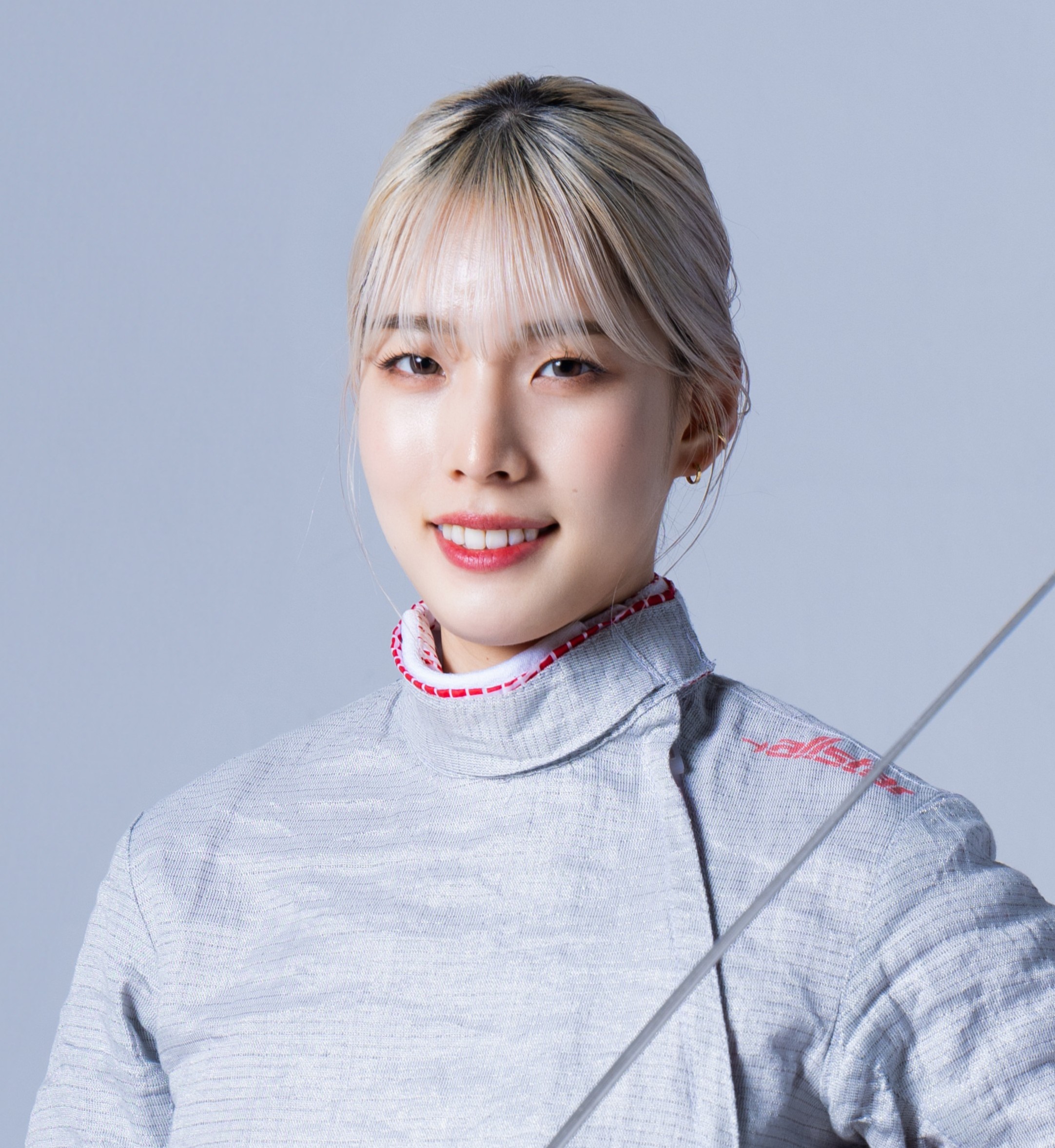 Misaki EMURA
When and where did you begin this sport?
She began fencing at age nine.
Why this sport?
She was encouraged to try the sport by her parents, and went to a fencing class where her father coached. She took up foil in grade three of primary school, but competed in sabre at a competition which had a prize of a jigsaw puzzle. She then switched to sabre before starting middle school.
Learn more→ Jean-Philippe PATRICELearn more→
Results & Competitions
Latest Results
| Competition | Date | Weapon | Gender | Cat |
|---|---|---|---|---|
| Padua | 2026-03-08 | sabre | M | |
| Athènes | 2026-03-08 | sabre | F | |
| Cairo | 2026-03-08 | foil | F | |
| Cairo | 2026-03-08 | foil | M | |
| Padua | 2026-03-06 | sabre | M |
Upcoming Competitions
| Competition | Date | Weapon | Gender | Cat |
|---|---|---|---|---|
| Budapest | 2026-03-13 | epee | M | |
| Budapest | 2026-03-13 | epee | F | |
| Lima | 2026-03-20 | foil | M | |
| Lima | 2026-03-21 | foil | F | |
| Astana | 2026-03-26 | epee | M |
To understand the success of romantic drama, we must first distinguish it from its cousin, the romantic comedy (Rom-Com). While rom-coms use obstacles for laughs, romantic dramas use obstacles for transformation. The "drama" element injects stakes that are existential. Will he survive the war? Will she choose her career over the family dynasty? Will their social classes tear them apart?
In the realm of romantic drama and entertainment, the emotional payoff is not just a kiss; it is catharsis. We watch to feel the ache of near-misses, the tension of unspoken words, and the relief of reconciliation. It is emotional weightlifting for the soul. filma me titra shqip erotic
The roots of modern romantic drama are literary. The angst of Heathcliff and Cathy in Wuthering Heights (1847) is the same DNA found in the tortured love triangles of Euphoria or Bridgerton. For centuries, we have been obsessed with the idea that love should be difficult. To understand the success of romantic drama, we
In the 20th century, Hollywood perfected the formula. The Golden Age gave us Casablanca (1942), a masterpiece of sacrifice where romance and politics collide. The 1990s gave us the "Nicholas Sparks effect," turning the small-town romantic tragedy into a cultural institution. Every year, without fail, a film like The Fault in Our Stars or Past Lives reminds us that the appetite for emotional devastation is insatiable. Will he survive the war
Today, romantic drama and entertainment has migrated to prestige television. Streaming services have decoupled the love story from the two-hour runtime, allowing for slow-burn tension that can simmer for seasons. Normal People (Hulu/BBC) is a quintessential example. The show’s success hinged entirely on the granular, painful, often silent miscommunications between two young people. Audiences didn’t need car chases; they needed a text message left on "read."
What’s fascinating about the current landscape of entertainment is how the romantic drama is evolving. We are moving away from the purely formulaic "Boy meets Girl" narratives. Today, we see romantic dramas intertwined with sci-fi (Eternal Sunshine of the Spotless Mind), historical epics (Bridgerton), and gritty realism (Normal People).
Audiences are demanding more. We want the romance, but we want it to acknowledge the complexities of modern identity, mental health, and social structure. We still want the crying and the kissing, but we want it to mean something substantial.