



Сервис для защиты сделок и подготовки к спорам с учетом требований законодательства и судебной практики

Оставьте заявку и мы свяжемся с вами в ближайшее время

юристов проигрывают споры из-за отсутствия доказательств проявления должной осмотрительности (п. 1 Обзора, утв. Президиумом ВС РФ 13.12.2023)
средний размер доначислений по налоговым спорам в 2024 году (ст. 54.1, 122, 126 НК РФ)
сделок в 2024 году было оспорено в судах, доводом служили схемы связей с аффилированными лицами (ст.ст. 61.2, 61.3 Закона о банкротстве)
компаний не соответствуют требованиям должной осмотрительности по данным сервиса Юрист компании Контрагенты за май 2025
Единственный сервис для защиты сделок и подготовки к суду с автоматизированной проверкой контрагентов, готовыми решениями и стратегиями

Проводит аналитику судебной активности, формирует официальный отчет и предлагает наиболее выигрышные стратегии для судов с оппонентами

Выдает юридически значимые документы с ЭЦП для налоговых споров, банкротных процедур, коммерческих и арбитражных дел, которое принимают суды и госорганы, как неоспоримое доказательство

Предлагает шаблоны документов и готовые формулировки в договоры под конкретные риски контрагентов, которые помогут обезопасить сделку

Предупреждает о более 400 рисках и показывает рекомендации экспертов для их минимизации

Формирует досье на контрагента по 500+ критериям с учетом судебной практики и методики проверки ФНС
Простой процесс получения детальной информации о любой компании страны для принятия обоснованных решений
Укажите ИНН, ОГРН или название компании для начала проверки
Система автоматически соберет и проанализирует всю доступную информацию
Ознакомьтесь с выявленными рисками и получите рекомендации по их минимизации
Используйте полученную информацию для принятия взвешенного решения о сотрудничестве

Оставьте заявку и мы свяжемся с вами в ближайшее время
Более 20000 юристов уже используют сервис Юрист компании Контрагенты, успешно защищают бизнес и побеждают в судах с оппонентами
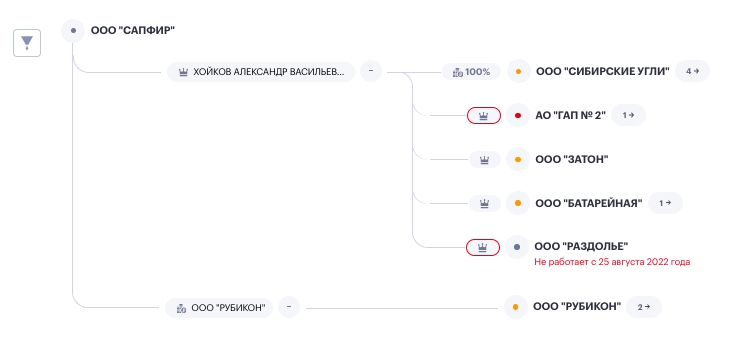
В результате сговора и незаконных действий должника, Конкурсного управляющего и кредиторов, после закрытия дела о банкротстве, конкурсную массу разделили между собой аффилированные лица.
Cкрин схемы связей помог юристу доказать аффилированность ООО «Сапфир», ООО «Рубикон», ООО «Батарейная», ООО «Сибирские угли» и выиграл дело, тем самым помогли взыскать солидарно 33 млн. руб.

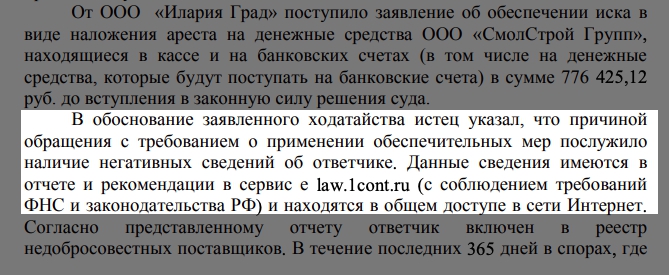
ООО «Илария Град» обратилось в суд с исковым заявлением к компании «СмолСтрой Групп» о взыскании задолженности по договору подряда и неустойки. Одновременно общество попросило суд принять обеспечительные меры — наложить арест на счета компании.
Рекомендации и отчет о коммерческой осмотрительности помогли применить обеспечительные меры. Истец в своем ходатайстве дословно процитировал текст рекомендаций из сервиса.

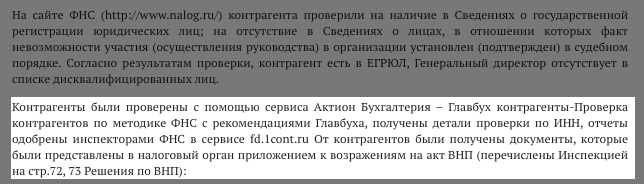
Инспекторы собрали доказательства того, что у партнеров ООО «АРГО» — ООО «Прогресс-СПб» , ООО «Строительный трест» и ООО «Лидерстройюг» — не было основных средств, складов, транспорта и работников, а значит они не могли исполнить сделки. Налоговики признали их техничками. И доначислили ООО «АРГО» недоимку по НДС, пени и назначили штраф — в общей сложности на 17 млн рублей.
Отчет о должной осмотрительности. Именно на него судья ссылается в той части решения, в которой расписывает основания отмены акта налогового органа.
To understand the genre, you must understand the core conflict: Tradition (Parampara) versus Modernity (Adhunikta). Unlike Western dramas where the individual’s happiness is the ultimate goal, the Indian family drama revolves around the collective—the parivar.
The central tension usually looks like this:
These stories thrive on "kitchen politics"—the silent war over who controls the spice box, who serves tea to guests first, and who inherits the ancestral home. It is hyper-local yet deeply intimate. Lifestyle stories emerge from these settings: how a family eats, prays, dresses, and celebrates festivals dictates the plot.
In these stories, the setting is never just a backdrop. The Indian kitchen is a character. It is the heart of the home, where secrets are whispered over grinding spices. The living room sofa set, covered in plastic, represents the family's obsession with preservation and status. The family car (usually a beaten-up Maruti Suzuki) is a confessional booth where fathers give life advice without making eye contact.
Even the food tells a story. A kheer (rice pudding) represents celebration and love. A burnt roti represents a distracted wife. A specific pickle passed down from a grandmother represents heritage. Writing a compelling Indian lifestyle story requires knowing that when a character says, "Are you not eating?" it actually means, "Do you still love us?"
The Indian family drama has undergone a significant metamorphosis over the last two decades.
The 90s and 2000s (The Era of the Ideal): Shows like Kyunki Saas Bhi Kabhi Bahu Thi and films like Kabhi Khushi Kabhie Gham defined the genre. The lifestyle was aspirational but regressive. The "ideal Indian woman" wore a 9-yard saree, fasted for her husband’s long life, and never raised her voice. The family lived in palatial havelis with fountains in the living room. The drama was loud, the lighting was overly bright, and the villains wore dark eyeshadow.
The 2010s to Present (The Era of the Real): Today, the genre has been disrupted by OTT platforms (Netflix, Amazon Prime, Disney+ Hotstar). The modern Indian family drama is gritty, nuanced, and decidedly grey.
Today’s protagonists no longer just cry in the kitchen; they call a therapist, file for divorce, or launch a startup. The lifestyle story has moved from “How to sacrifice” to “How to negotiate.” desi bhabhi ne chut me ungli krke pani nikala
For decades, international audiences saw India through the lens of poverty or mysticism (Slumdog Millionaire, Lion). The new wave of Indian lifestyle drama offers a different export: relatable specificity.
Shows like Ramy (Hulu) or The Big Day (Netflix) have shown that while the clothes, language, and food are different, the emotional dilemmas are universal.
These are human stories. The Indian family drama is simply the loudest, most colorful, and most emotionally honest version of the family drama that exists everywhere.
The old template—three generations under one roof, the sacrificing mother, the authoritarian father, the silent wife—is dying. Not because storytellers got bored, but because India itself has changed.
Today’s Indian family drama is just as likely to be set in a one-bedroom flat in Bengaluru, with a couple navigating infertility, a parent moving in due to dementia, and a Zoom call from a brother in New Jersey. The pressure is still there. It has just been compressed.
Lifestyle stories now tackle:
The settings are modern, but the core conflict remains ancient: How do I become myself without losing my family?
At its core, the appeal of Indian family drama and lifestyle stories is universal. Everyone, whether in Boston or Bangalore, understands the fight over the TV remote, the pain of a parent’s unspoken expectation, and the joy of a chaotic Sunday lunch. To understand the genre, you must understand the
But India adds a specific spice—the deep, abiding sense of samvaad (dialogue) and sanskar (values). In a world that is increasingly individualistic and lonely, India still believes in the drama of the crowd. To write these stories is to acknowledge that we are not isolated heroes; we are messy, contradictory, loud, and loving members of a tribe.
So, the next time you hear a mother shouting from the kitchen or an uncle giving unsolicited career advice, don't mute it. Listen. You are in the middle of the greatest story ever told—the story of the Indian family.
Are you looking for more specific story prompts or analysis on regional variations (Punjabi, Marathi, Tamil family dramas)? Let me know in the comments.
The landscape of Indian family drama and lifestyle stories in 2025–2026 reflects a profound shift from traditional "soap opera" tropes to nuanced explorations of urban evolution, digital influence, and changing social structures. This report highlights key storytelling trends and cultural shifts currently defining the genre. 1. Evolution of Modern Family Dramas (Streaming Trends)
Current Indian streaming (OTT) content has moved toward "grounded" family narratives that blend traditional values with contemporary issues. The Family Man
It seems like you've come across an interesting phrase. "Desi bhabhi ne chut me ungli krke pani nikala" appears to be a sentence in a regional or colloquial language, possibly Hindi or a similar dialect.
If you're looking for a translation or explanation, I'd be happy to help. However, please note that the sentence might contain some informal or potentially sensitive content.
Could you please provide more context or clarify what you're trying to understand about this phrase? I'll do my best to assist you. These stories thrive on "kitchen politics"—the silent war
This paper examines the evolution, themes, and sociocultural impact of family drama and lifestyle narratives in Indian media and literature. Abstract
Indian family drama serves as a cultural mirror, reflecting the shift from traditional joint families to modern nuclear structures. While daily soaps often portray idealized, wealthy joint families headed by matriarchs, contemporary literature and web series explore darker themes such as domestic dysfunction, individual autonomy, and the clash between tradition and modernity. This paper analyzes how these narratives influence real-world lifestyles, consumerism, and social values. 1. Historical Evolution Representation of 'family' in Indian television serials
Critics often dismiss Indian family dramas as "over the top"—complete with loud background scores, sudden heart attacks, and dramatic close-ups of a character dropping a plate of jalebis. However, this amplification serves a purpose.
Indian culture is indirect. People rarely say, "I am angry." Instead, they slam a cupboard door. They don't say, "I am jealous of your success." Instead, they offer a backhanded compliment about your weight.
The lifestyle story becomes a decoder ring for this behavioral code. When a father silently drinks his tea without looking at his son, the audience knows it means "I love you but I am disappointed." The drama externalizes the internal. For a culture that suppresses open confrontation in favor of "adjustment," watching a screen character throw a righteous tantrum is cathartic.
No character in global drama is as analyzed, pitied, and feared as the Indian bahu (daughter-in-law). She enters her husband’s home as a stranger, carrying a suitcase and a set of expectations.
Indian lifestyle narratives have spent decades dissecting her tragedy. She must wake before the sun but never complain. She must remember everyone’s dietary restrictions but forget her own cravings. She must laugh at the uncle who makes lewd jokes because "he is family."
But modern storytelling has shifted. The bahu no longer just weeps into her chai. She fights back—not with shouting, but with a weapon far more devastating: economic independence.
The new wave of Indian family dramas (think Made in Heaven, Human, or even the quieter moments of The Great Indian Kitchen) shows the bahu logging into her laptop at 2 AM, paying her own EMI, and smiling politely while planning her escape. The drama comes not from her suffering, but from the family’s slow realization that they no longer hold the keys to her cage.
Оставьте заявку — мы перезвоним, ответим на все вопросы и отправим бесплатный доступ к сервису, сможете попробовать все возможности бесплатно
*Для оперативной связи укажите, пожалуйста, городской номер